
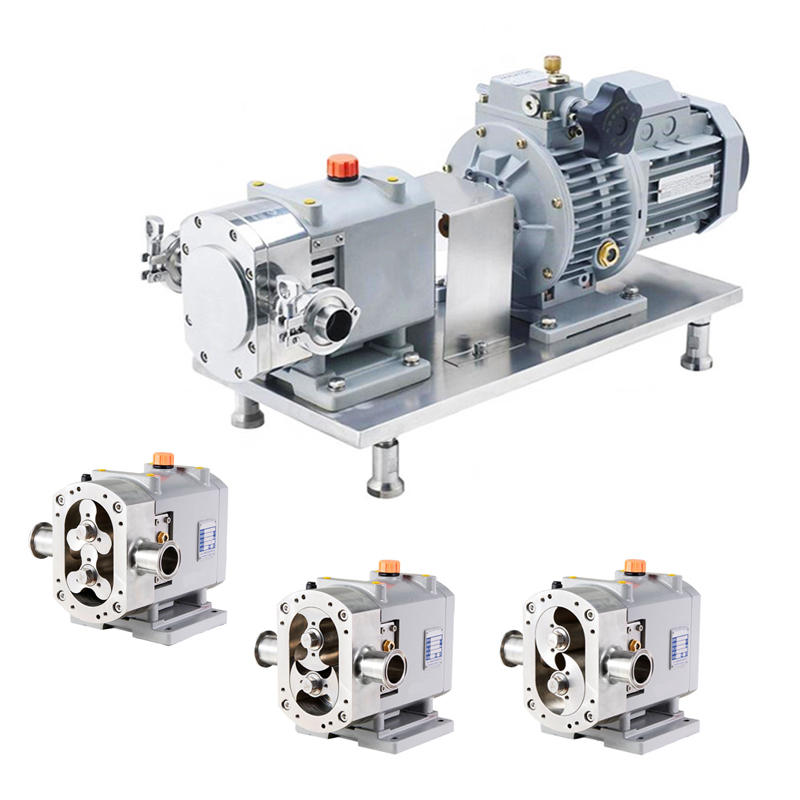
Lobe pumps are among the most reliable and efficient solutions for fluid transfer across multiple industries. These positive displacement pumps are designed to handle a variety of liquids, including viscous, abrasive, and shear-sensitive materials, making them indispensable in food processing, pharmaceuticals, and chemical manufacturing. For top-tier lobe pump solutions, Acelobe Pump provides advanced and durable options tailored to industrial demands.
How Lobe Pumps Function
Lobe pumps operate using two or more rotating lobes that move in sync within a sealed casing. As the lobes turn, they create expanding and contracting chambers that draw fluid in through the inlet and push it out through the discharge port. Unlike gear pumps, the lobes do not come into direct contact, reducing friction and wear while maintaining a smooth, pulsation-free flow. This design ensures gentle handling of sensitive fluids, making lobe pumps ideal for applications where product integrity is crucial.
Key Components of a Lobe Pump
A standard lobe pump consists of several critical components, including the rotor lobes, casing, shaft, and seals. The lobes, typically made from stainless steel or other durable materials, are the primary elements responsible for fluid displacement. The casing houses the lobes and maintains pressure, while the shaft connects to the drive mechanism. Seals prevent leakage and contamination, ensuring hygienic operation in sensitive industries. The robust construction of these pumps allows them to handle challenging fluids with minimal maintenance.
Industries That Rely on Lobe Pumps
Lobe pumps are widely used in industries requiring precise and hygienic fluid transfer. In the food and beverage sector, they handle products like syrups, pastes, and dairy without compromising texture or quality. Pharmaceutical manufacturers use lobe pumps for transferring creams, gels, and other sensitive formulations. The chemical industry benefits from their ability to process corrosive and abrasive liquids, while wastewater treatment plants utilize them for sludge and slurry transfer. Their versatility makes them a preferred choice across multiple applications.
Advantages of Using Lobe Pumps
One of the biggest advantages of lobe pumps is their ability to handle high-viscosity fluids efficiently. Their non-contacting lobe design minimizes shear, making them perfect for shear-sensitive products. These pumps are also self-priming and can run dry for short durations without damage. Additionally, their reversible flow capability allows for flexible operation in different processing setups. The easy disassembly and cleaning process further enhance their appeal, particularly in industries with strict sanitation requirements.
Comparing Lobe Pumps to Other Pump Types
When compared to gear pumps, diaphragm pumps, or centrifugal pumps, lobe pumps offer distinct benefits. Gear pumps, for instance, have intermeshing gears that can cause product degradation, while lobe pumps maintain product integrity. Centrifugal pumps struggle with viscous fluids, whereas lobe pumps excel in such applications. Diaphragm pumps, though effective for certain uses, often require more maintenance. Lobe pumps strike a balance between efficiency, durability, and gentle fluid handling, making them a superior choice for many industrial applications.
Selecting the Right Lobe Pump for Your Needs
Choosing the appropriate lobe pump depends on factors such as fluid viscosity, flow rate, and operational environment. For abrasive fluids, hardened lobe materials are recommended, while sanitary applications may require FDA-compliant stainless steel construction. The pump’s speed and pressure ratings should align with process requirements to ensure optimal performance. Consulting with specialists like those at Acelobe Pump can help identify the best pump model for specific industrial needs.
Maintenance Best Practices for Lobe Pumps
To maximize the lifespan and efficiency of lobe pumps, regular maintenance is essential. Inspecting lobes and seals for wear and tear can prevent unexpected failures. Cleaning the pump thoroughly after each use is critical, especially in food and pharmaceutical applications. Proper lubrication of bearings and timely replacement of worn parts will enhance performance. Monitoring for unusual vibrations or noises can help detect issues early, reducing downtime and repair costs.
Innovations in Lobe Pump Technology
Recent advancements have further improved lobe pump efficiency and durability. Modern designs incorporate corrosion-resistant materials and precision-engineered lobes for enhanced performance. Some models now feature IoT-enabled sensors for real-time monitoring of pressure, temperature, and flow rates, allowing predictive maintenance. Companies like Acelobe Pump are leading the way in developing innovative lobe pump solutions that meet evolving industry demands.
Conclusion
Lobe pumps are a vital component in industries that demand efficient, hygienic, and reliable fluid handling. Their unique design and operational benefits make them suitable for a wide range of applications, from food processing to chemical manufacturing. By understanding their functionality and advantages, businesses can make informed decisions when selecting pumping solutions. For high-performance lobe pumps designed to meet industrial challenges, Acelobe Pump offers dependable and cutting-edge options. Investing in the right lobe pump can significantly enhance productivity and operational efficiency.

















Leave a Reply