
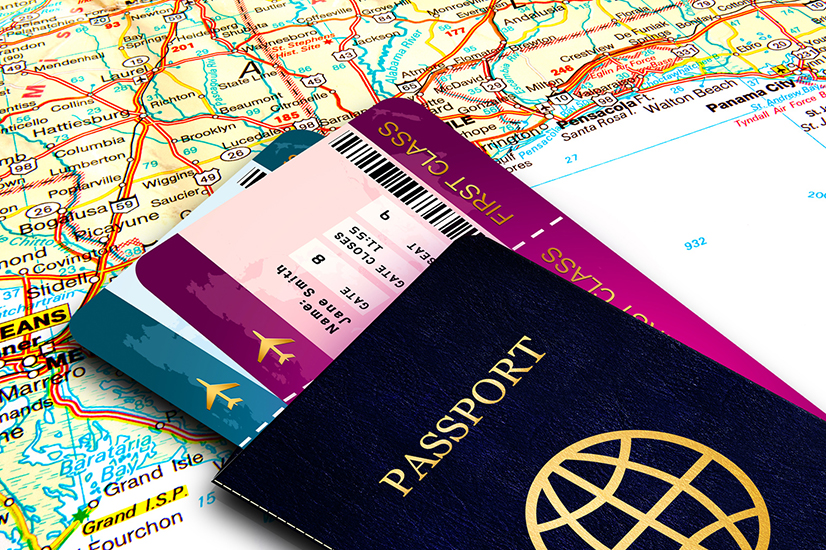
Introduction to Traveling to India from the United States
For United States citizens, planning a trip to India has been greatly simplified by the introduction of the electronic visa (e-Visa) system. The online process replaces the need for in-person embassy visits, making it more convenient than ever to obtain travel authorization for tourism, business, or medical purposes. This comprehensive guide consolidates all essential information about the Indian Visa for US Citizens, covering the various types of e-Visas available, their specific requirements, and the streamlined application procedure outlined for Indian Visa for United States Citizens.
Understanding the Indian e-Visa for U.S. Passport Holders
The Indian e-Visa is an official, digital travel authorization that is electronically linked to the traveler’s passport. Introduced in 2014, it allows citizens from eligible countries, including the United States, to apply for and receive their visa entirely online. This system is designed for short-term visits and is the Indian government’s preferred method for tourism, business, and medical travel, eliminating the need for physical “sticker” visas.
To be eligible, a U.S. applicant must hold an ordinary (tourist) passport valid for at least six months from the date of arrival in India. Diplomatic, official, or special passports are not eligible for the e-Visa and require application through an Indian embassy or consulate. It is critical to note that every individual traveler, including infants and children with their own passports, must submit a separate e-Visa application. There are no family or group visa provisions.
Types of Indian e-Visas Available to U.S. Citizens
U.S. travelers can choose from several e-Visa categories, each tailored to a specific purpose of visit. Selecting the correct type is essential, as e-Visas cannot be converted from one category to another after approval.
Tourist e-Visa
The Tourist e-Visa is for recreation, sightseeing, casual visits to meet friends or relatives, and short-term yoga programs. It is offered in three durations:
- 30-Day Tourist e-Visa: Valid for 30 days from the date of entry into India. It permits double entry and a continuous stay of up to 30 days.
- 1-Year Tourist e-Visa: Valid for 365 days from the date of approval. It permits multiple entries, with each continuous stay not exceeding 90 days.
- 5-Year Tourist e-Visa: Valid for 5 years from the date of approval. It permits multiple entries, with each continuous stay not exceeding 90 days.
Business e-Visa
The Business e-Visa is for professionals engaging in commercial activities, such as meetings, sales, establishing ventures, or attending exhibitions. It is valid for 1 year from the date of approval, allows multiple entries, and permits a continuous stay of up to 180 days per visit.
Medical e-Visa
The Medical e-Visa is for those seeking medical treatment in India. It is valid for 60 days from the date of first arrival, allows triple entry to facilitate treatment and follow-ups, and permits a continuous stay of up to 60 days.
Medical Attendant e-Visa
This visa is for individuals (such as family members or nurses) accompanying a patient who holds a valid Medical e-Visa. Its validity, entry conditions, and permitted stay are identical to the patient’s Medical e-Visa. A maximum of two attendants are allowed per patient.
e-Conference Visa
The e-Conference Visa is for attending conferences, seminars, or workshops in India. It is valid for 30 days from the date of approval, allows a single entry, and permits a continuous stay of up to 30 days.
Step-by-Step Application Process
The application is completed entirely online and is designed to be straightforward.
- Fill Out the Online Form: On the official Indian e-Visa website, select “Apply Now” and choose the appropriate visa type. The form typically takes 15-20 minutes to complete and requires personal details, passport information, and travel plans.
- Upload Required Documents: Essential documents include a clear scanned copy of the passport’s biographical page and a recent digital passport-style photograph with a plain background. For Business, Medical, or Conference visas, the respective invitation or hospital letter must also be uploaded.
- Review and Pay: Carefully review all entered information for accuracy, as mistakes can cause delays. Pay the government visa fee using a valid credit or debit card.
- Receive e-Visa via Email: Once approved (usually within 3-4 business days), the e-Visa will be sent as a PDF to the email address provided. Applicants are advised to apply at least 4 days before their intended travel date.
Key Requirements and Entry Procedures
Essential Requirements for All Applicants:
- A valid U.S. ordinary passport (6+ months validity).
- A recent digital photograph.
- A valid email address.
- A debit/credit card for payment.
- Proof of accommodation and travel details.
Additional Requirements by Visa Type:
| Visa Type | Additional Required Document |
|---|---|
| Business e-Visa | Invitation letter from the host company/organization in India. |
| Medical e-Visa | Letter from the recognized hospital or clinic in India. |
| e-Conference Visa | Invitation letter and proof of event clearance. |
Entry into India:
The Indian e-Visa is valid for arrival by air or cruise ship at designated ports only. Entry by land border is not permitted. U.S. citizens must present their printed e-Visa and the passport used in the application to immigration officers upon arrival. The list of authorized airports and seaports is periodically updated, so travelers should verify the latest list before finalizing travel plans.
Important Considerations and Recommendations
- Validity Note for 30-Day Tourist Visa: Its 30-day validity period starts on your date of entry into India, not the date of issue printed on the visa.
- No In-Person Submission: The entire process is online; there is no need to mail your passport or visit an embassy.
- Double-Check Information: Ensure all details (name, date of birth, passport number) match your passport exactly to avoid processing issues.
- Carry Your Documents: Always carry a printed copy of your e-Visa approval when traveling to and within India.
Conclusion
The Indian e-Visa system offers U.S. citizens a highly efficient and accessible way to obtain travel authorization for short-term visits. By understanding the different visa types, preparing the correct documents, and following the online application steps, travelers can secure their e-Visa with ease. This digital process underscores India’s commitment to welcoming international visitors and streamlining their entry, allowing travelers to focus on the rich cultural, business, and medical experiences that await. Always check the official Indian government visa website for the most current information before applying.










Leave a Reply