
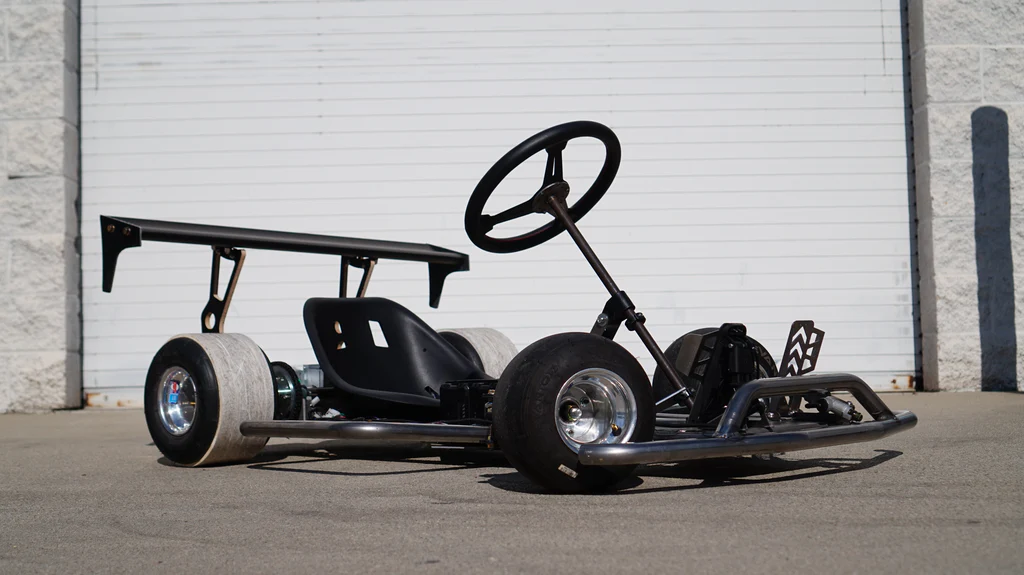
Drift kart racing is a heart-racing motorsport that transforms the humble go-kart into a tool for exhilarating, sideways action. Unlike traditional karting, which prioritizes speed and precision, drift kart racing celebrates the thrill of controlled slides, where drivers intentionally break traction to glide through corners with style and finesse. This captivating discipline has surged in popularity, drawing in enthusiasts with its blend of accessibility, skill, and raw excitement. In this article, we’ll explore the world of drift karts, delving into their unique design, the techniques that define the sport, and the vibrant culture that fuels its rise.
The Essence of Drift Kart Racing
The Birth and Growth of Drift Karting
Drift kart racing owes its origins to the drifting culture that emerged in Japan during the 1990s, where drivers showcased their ability to slide cars through corners with precision. Inspired by this spectacle, motorsport enthusiasts adapted the concept to go-karts, creating a more accessible and affordable way to experience the thrill of drifting. A drift kart is a specialized kart designed to prioritize sliding over grip, making it perfect for both beginners and seasoned racers looking to master the art of oversteer.
Since its inception, drift kart racing has grown from a niche hobby to a global phenomenon. Dedicated drift kart tracks have emerged in cities and towns worldwide, offering spaces where drivers can hone their skills. Competitions range from casual local events to high-stakes championships, where participants are judged on the fluidity, angle, and creativity of their drifts. The sport’s low cost and inclusive nature have made it a gateway for many into the world of motorsport, fostering a passionate and diverse community.
The Design of a Drift Kart
The magic of drift kart racing lies in the kart itself, engineered specifically for sliding. Unlike standard go-karts, which are built for traction and stability, drift karts are designed to lose grip at the rear wheels while maintaining control at the front. The tires are a key component—typically made of hard plastic or low-traction rubber to encourage smooth slides. These tires allow the kart to break traction easily, enabling drivers to initiate and sustain drifts with minimal effort.
Drift karts are powered by small, high-revving engines, often in the 100cc to 200cc range. These engines provide enough torque to break traction without overwhelming the driver, striking a balance between power and control. The chassis is lightweight and rigid, offering the responsiveness needed to navigate tight corners and sweeping turns. Steering systems are also optimized, with sharper angles and quick response times to allow for precise inputs during a drift.
Weight distribution is another critical factor. Drift karts are often tuned to shift weight toward the rear, promoting oversteer and making it easier to initiate slides. Some models feature adjustable components, such as seat positioning or suspension, allowing drivers to customize the kart’s handling to suit their style or track conditions.
Techniques That Define Drift Karting
Drift kart racing is a test of skill, requiring drivers to master a blend of throttle control, steering precision, and weight transfer. The goal is to initiate a drift by breaking traction at the rear wheels while guiding the kart through a corner with controlled slides. One common technique is the “clutch kick,” where drivers briefly disengage and re-engage the clutch to jolt the rear wheels into a slide. This method is particularly effective on tracks with sharp turns, allowing for dramatic entries.
Another key technique is the “feint drift,” where drivers swerve slightly in the opposite direction of a turn before sharply steering into it, using the kart’s momentum to start a slide. Once in a drift, drivers must balance the throttle and counter-steer to maintain the slide’s angle and trajectory. Too much throttle can lead to a spin, while too little can cause the kart to straighten out, ending the drift prematurely.
Braking is also a powerful tool in drift kart racing. By tapping the brakes strategically, drivers can shift the kart’s weight forward, helping to initiate a slide or tighten the drift’s radius. Advanced racers often chain multiple techniques together, creating seamless, flowing drifts that showcase both skill and style.
The Appeal of Drift Kart Racing
Drift kart racing stands out for its accessibility and visceral thrill. Compared to car drifting, which requires expensive vehicles and large tracks, drift karts are affordable and can be raced on compact circuits. Many karting centers offer rental drift karts, allowing newcomers to try the sport without committing to a purchase. This low barrier to entry has made drift karting a popular choice for beginners and hobbyists alike.
The sport also fosters a tight-knit community. Drift kart events are vibrant gatherings where racers exchange tips, celebrate bold runs, and build camaraderie. Competitions emphasize style over speed, with judges scoring drivers based on the smoothness and creativity of their drifts. This focus on artistry allows racers to express their individuality, whether through daring maneuvers or customized karts.
For drivers, the sensation of drift kart racing is unmatched. The low-to-the-ground design and open cockpit amplify the feeling of speed, making every slide feel intense and immersive. The challenge of balancing control and chaos keeps racers hooked, as each drift offers a chance to refine technique and push limits.
Starting Your Drift Kart Journey
Getting started with drift kart racing is straightforward. Begin by finding a local karting facility that offers drift kart rentals or events. Many tracks provide introductory sessions with coaching, covering safety protocols and basic drifting techniques. These programs are ideal for beginners, offering a low-pressure environment to learn the ropes.
For those ready to commit, purchasing a drift kart is an option. Entry-level models start at around $900, while high-performance karts with advanced features can cost more. Safety gear is essential—invest in a quality helmet, gloves, and a racing suit to ensure protection. Some tracks may also require additional gear, such as neck braces, for added safety.
Practice is crucial for mastering drift kart racing. Spend time experimenting with different techniques, such as clutch kicks or feint drifts, to develop your skills. Joining a drift kart club or online forum can connect you with other racers and provide valuable advice. Watching professional drift kart events or tutorials can also inspire new approaches and help refine your technique.
The Future of Drift Kart Racing
Drift kart racing is poised for continued growth, driven by its accessibility and universal appeal. Innovations like electric drift karts are emerging, offering a sustainable option that maintains the sport’s excitement. Organized competitions are expanding, with regional and international events drawing larger audiences and bigger prizes.
The sport’s inclusive nature ensures its longevity. As more tracks adopt drift karting and new racers join the community, the sport continues to evolve. Whether you’re chasing the perfect slide or simply enjoying the rush of sideways speed, drift kart racing offers a thrilling and rewarding experience that captures the essence of motorsport artistry.









Leave a Reply