
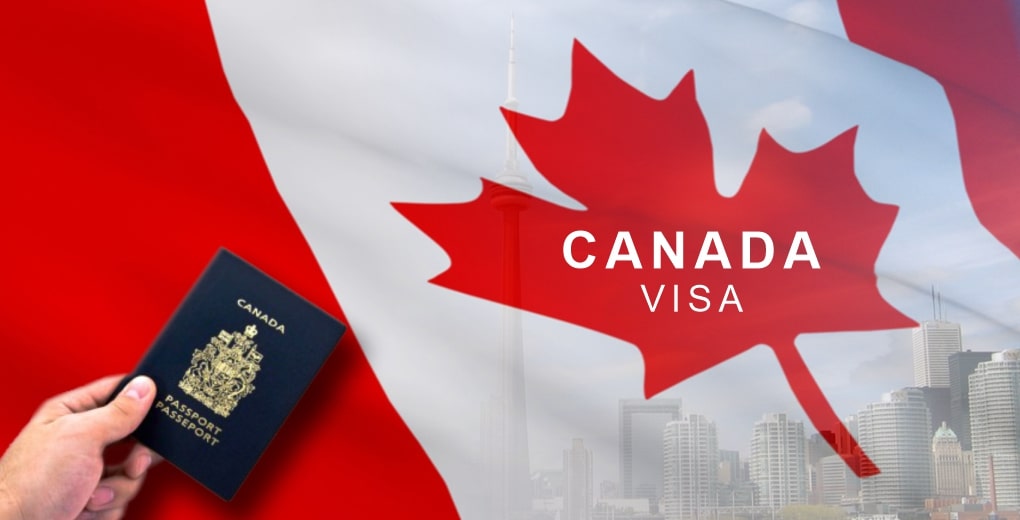
Traveling to Canada is a dream for many, whether it is to experience the beauty of Niagara Falls, the multicultural energy of Toronto, or the natural wonders of the Rocky Mountains. To make this journey possible, visitors must be aware of the visa requirements set by the Canadian government. For citizens of South Korea and Spain, understanding the process is crucial for smooth travel preparations. The requirements for a Canada visa for South Koreans and the process for a Canada visa for Spanish citizens are similar, but there are some important details each traveler should keep in mind.
Overview of Canada’s Visa Policy
Canada welcomes millions of international visitors each year. To manage this flow while ensuring border security, Canada has established a visa system tailored to different countries. Some nationalities need a traditional visa, while others only need an Electronic Travel Authorization (eTA). Both South Koreans and Spanish citizens generally qualify for the eTA, which is a more streamlined and convenient entry requirement compared to a full visa.
Canada Visa for South Koreans
South Koreans traveling to Canada for tourism, short business visits, or to transit through the country must apply for an eTA if they are arriving by air. The process is completed online, and applicants need a valid passport, an email address, and a credit or debit card to pay the processing fee. The eTA is electronically linked to the traveler’s passport and is valid for up to five years, or until the passport expires, whichever comes first. With this authorization, South Koreans can stay in Canada for up to six months per visit.
It is important for South Korean citizens to ensure their passport details are entered correctly when applying for the eTA. Any mistakes in the application could cause delays or even result in denied boarding at the airport. Travelers are also advised to apply well before their planned departure, even though most eTA applications are approved within minutes.
Canada Visa for Spanish Citizens
Just like South Koreans, Spanish citizens are also eligible to apply for an eTA when traveling to Canada by air. The requirements are nearly identical, with applicants needing a valid Spanish passport, an email address, and an online payment method. Once approved, the eTA remains valid for up to five years or until the expiration of the passport. Spanish travelers can also visit Canada multiple times during this validity period, with each stay lasting up to six months.
Spanish citizens should also keep in mind that while the eTA is sufficient for air travel, it is not required when entering Canada by land or sea, such as crossing from the United States or arriving on a cruise ship. However, having a valid passport and proof of eligibility to enter Canada remains necessary.
Application Process
The eTA application process is straightforward for both South Koreans and Spanish citizens. The official application is completed online, requiring travelers to fill in personal information, passport details, and travel plans. They must also answer security and health-related questions. Once the application is submitted and the fee is paid, most applicants receive a decision via email within minutes. In rare cases, additional documents may be requested, which can extend processing times.
It is highly recommended to apply for the eTA before booking flights or making other travel arrangements to avoid last-minute complications. Airlines will not allow passengers to board without a valid eTA linked to their passport.
Common Reasons for eTA Refusal
Although most applications are approved quickly, there are instances where an eTA may be refused. Common reasons include providing incorrect passport details, having a previous immigration violation, or issues related to criminal history. In such cases, travelers may need to apply for a full visitor visa, which involves a more detailed process and longer waiting times.
Travel Tips for South Koreans and Spanish Citizens
Once the eTA is approved, South Koreans and Spanish citizens can look forward to their Canadian adventure. To ensure a smooth entry, travelers should carry a copy of their eTA approval email, even though the authorization is electronically linked to their passport. It is also advisable to keep evidence of sufficient funds for the stay, a return ticket, and details of accommodation in Canada, as border officers may request these during entry.
Visitors should also be aware of Canada’s strict rules regarding prohibited items such as certain foods, plants, and animal products. Preparing in advance ensures that travelers can enter without facing unnecessary delays at customs.
Benefits of the eTA System
The eTA system offers several advantages for South Koreans and Spanish citizens. It simplifies travel by eliminating the need to visit a Canadian consulate or embassy, reduces waiting times, and allows multiple entries into Canada during the authorization’s validity. The low cost of the eTA also makes it accessible for most travelers.
Conclusion
For both South Koreans and Spanish citizens, traveling to Canada is easier than ever thanks to the eTA system. By applying online, ensuring accurate information, and preparing supporting documents for entry, travelers can look forward to a seamless journey. Whether exploring Canada’s vibrant cities, stunning natural landscapes, or rich cultural heritage, visitors from South Korea and Spain can enjoy their Canadian experience with peace of mind knowing that their visa requirements are efficiently managed.











Leave a Reply