
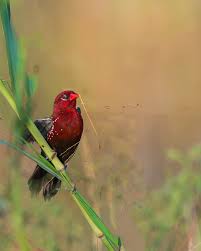
India, with its diverse landscapes and climates, is a treasure trove for bird watchers. From the snow-clad Himalayas to the sun-kissed beaches of the south, from arid deserts to lush rainforests, the subcontinent offers an incredibly rich tapestry of habitats. With over 1,300 recorded bird species, birding in India is not just a hobby but a deeply rewarding adventure that blends nature, culture, and travel.
A Diverse Avian Landscape
One of the greatest joys of birding in India is the sheer variety of ecosystems. Each region is home to its unique avifauna. The western deserts of Rajasthan boast species like the critically endangered Great Indian Bustard, while the Himalayan foothills offer sightings of the Himalayan Monal and Snow Partridge. In the dense forests of the Western Ghats and northeastern states, colorful birds such as hornbills, pittas, and trogons can be seen in their natural glory.
The country’s position on major migratory routes also makes it a seasonal haven for migratory birds. Winter months see an influx of species from Central Asia, Europe, and even Siberia. Wetlands like Bharatpur’s Keoladeo National Park become alive with bar-headed geese, Siberian cranes, and numerous duck species. This seasonal variety adds an exciting dynamic to birding in India, with every visit offering something new.
Top Birding Destinations in India
1. Keoladeo National Park (Bharatpur, Rajasthan)
A UNESCO World Heritage Site, Keoladeo is perhaps the most famous bird sanctuary in India. Once a royal hunting ground, it is now a peaceful haven for over 370 species of birds. The park’s wetlands are especially vibrant during the winter months.
2. Jim Corbett National Park (Uttarakhand)
Though best known for tigers, Corbett is also a birding paradise, home to over 600 bird species. The Ramganga River and surrounding forests attract everything from fish eagles to kingfishers and woodpeckers.
3. Eaglenest Wildlife Sanctuary (Arunachal Pradesh)
Located in the Eastern Himalayas, this sanctuary is a dream come true for serious birders. New species have even been discovered here, like the Bugun Liocichla. Its remote and pristine environment is ideal for spotting exotic and elusive birds.
4. Ranganathittu Bird Sanctuary (Karnataka)
Situated along the banks of the Kaveri River, this sanctuary is a hotspot for water birds. Painted storks, spoonbills, and pelicans are regular residents. Boating through the sanctuary offers a unique vantage point for photography and observation.
5. Thattekad Bird Sanctuary (Kerala)
Also known as the Salim Ali Bird Sanctuary, Thattekad is a gem in the Western Ghats. Home to many endemic species, it offers a more intimate birding experience with expert guides and a tranquil setting.
Birding as a Cultural Journey
Birding in India is not just about checking species off a list; it’s a cultural journey. Many birding destinations are near historical landmarks, rural villages, and sacred sites, making the experience even more enriching. Birders often find themselves sipping chai with locals in Himalayan hamlets or listening to folk songs in Rajasthan while waiting for a rare sighting.
Local guides and birding communities also add to the richness of the experience. Their deep knowledge of habitats, migration patterns, and calls can greatly enhance bird watching. Many are conservationists at heart, working tirelessly to protect habitats and educate others.
Best Time for Birding in India
While birds can be spotted year-round, the best time for birding in India is between November and March. During this period, migratory birds flock to India, and the cooler weather makes for comfortable outdoor excursions. However, some regions, like the Western Ghats and Northeast India, are worth visiting during or just after the monsoon, when forest activity peaks.
Tips for Birding in India
- Carry binoculars and a field guide: Essential tools to help identify and observe birds without disturbing them.
- Hire a local guide: They can take you to lesser-known spots and help with spotting and identification.
- Be patient and respectful: Birds are best observed quietly and from a distance.
- Dress appropriately: Wear earth-toned clothes and good walking shoes to blend into the environment.
- Stay hydrated and safe: Many birding spots are in remote areas; carry essentials with you.
Conservation and Responsible Birding
India’s bird population faces threats from habitat loss, pollution, and climate change. Responsible birding means not just observing birds but also advocating for their habitats. Avoid disturbing nesting sites, stick to trails, and support eco-friendly lodges and local conservation efforts. Birding in India offers a unique opportunity to connect with nature while also contributing to its preservation.
Conclusion
Birding in India is more than a pastime—it’s a journey through a country of stunning biodiversity and rich cultural heritage. Whether you’re a novice with a pair of binoculars or a seasoned birder chasing rare species, India welcomes you with open skies and fluttering wings. With each chirp, call, and flash of feathers, you’ll discover a deeper connection to the natural world.














Leave a Reply