
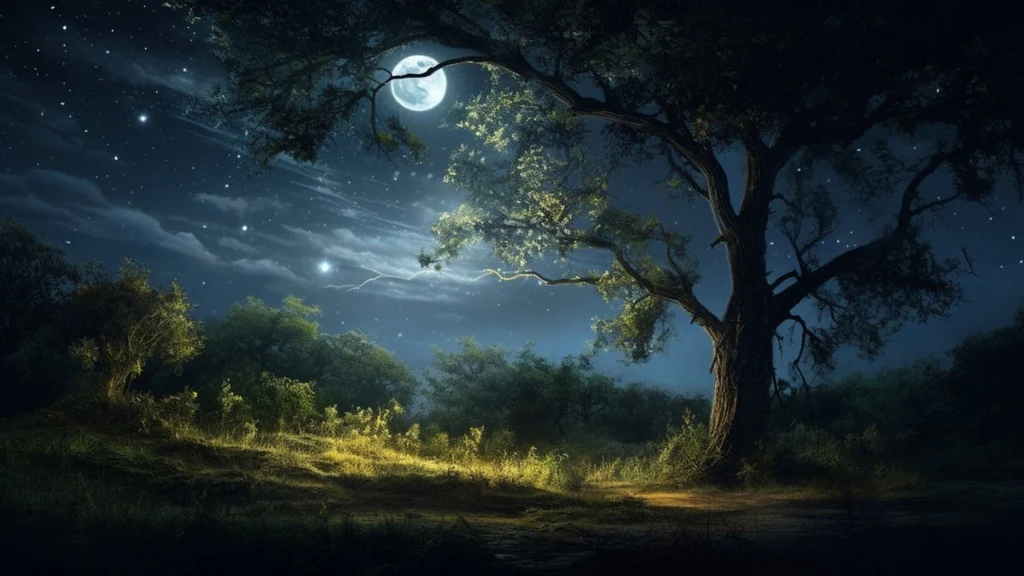
the moon is beautiful isn’t it of magic in the sentence, “The moon is beautiful, isn’t it?” o n poetry It reads at first, like an observation r onthenightsky. But beneath this soft query is a meaning that is more profound — one that has to do with love, longing, language and timeless beauty of nature. In this piece, we’ll look at the emotional and cultural legacy of this phrase, how it has been used and adapted in literature and speech, and why it still resonates so strongly, almost poetically, with the reader.
A secret in a simple sentence
the moon is beautiful isn’t it just a comment about the moon, but the phrase, “The moon is beautiful, isn’t it?” has a romantic connotation, especially in Japan. It’s famously attributed (though not, you know, historically confirmed) to the great Japanese novelist Natsume Sōseki, who purportedly claimed that this was a more sophisticated and poetic way to say “I love you” in Japanese.
The story is that Sōseki, teaching English, once heard some student directly translate “I love you” into the Japanese in a way that was too forward and clumsy for the time. Sōseki proposed a more emotionally inflected translation, “Tsuki ga kirei desu ne” (The moon is beautiful, isn’t it?). This term was deemed more appropriate to reflect the Japanese reticent and poetic manner.
True or false, the story is now one of those cultural and literary treasures — a shorthand for unspoken affection, understood reciprocity and the power of restraint in language.
The Moon as Love and Longing Symbol
Throughout the world, it’s commonly identified with emotion, femininity, dreams and desire. Whereas the sun’s beauty is brash and in-your-face, the moon’s is gentle and meditative. It doesn’t burn — it glows. It shows up in poems, songs and love letters. And for lovebird who are apart, the moon can act as a shared reminder of being under the same sky.
Isn’t the moon beautiful?” is more than just a reference to the celestial — it’s a gentle suggestion that we take in a little moment of beauty together. It says, “I see something beautiful and I want you to see it too.” It indicates connection, even if nothing further is expressed.
That’s how the quote feels, up close and personal. It does not shout love; it whispers love. And sometimes, indeed, that’s even more potent.
The Power of Unspoken Words
the moon is beautiful isn’t it of cultures, particularly in the Far East, perceive and appreciate indirect communication. Instead of expressing our love directly with an “I love you,” perhaps people come to show love in other ways: through acts, by sleight of word play, or through shared experiences. “The moon is beautiful, don’t you think?” becomes a metaphorical way of saying feelings — something that needs no explanation.
the moon is beautiful isn’t it all the times you’ve seen something beautiful — a heart-stopping sunset, a silent snowstorm, the moon ascending — and felt moved to turn to someone you love to say: Look! The words need not be romantic to be significant. But sometimes they speak volumes more than a thousand professions of love.
A Global and Timeless Emotion
This expression is filled with Japan-ish cultural feelings, but it reflects what we all can perceive. From the love poetry of Persian mystics to Western lyrics such as “Fly Me to the Moon,” humans have long projected emotion onto it.
Symbolism of The Moon In Literature In literature, the moon is frequently used to symbolize:
Distance and desire: Separated lovers under the same moon.
Change and cycles: A reflection of the stages in a relationship.
Mystery and magic: The unfathomable depths of love and feeling.
It was the subject of paintings by artists like Vincent van Gogh. The 20th century poets Pablo Neruda wrote about it. And in an era of text messages and tweets today, it might just be as a simple a phrase as “The moon is beautiful, isn’t it?” can still bear the weight of romantic significance.
Current Guidance and Examples
the moon is beautiful isn’t it and in the parlance of pop culture, the phrase has gotten a new lease on life. It’s used in captions, quotes, and, yes, memes, sometimes to convey hidden feelings, quiet crushes, or even just poetic musings.
It’s also gained traction in anime, dramas and love stories as a symbolic way for characters to confess their feelings without being, well, direct. It’s everything fans of romantic storytelling could want in the way of both feeling and finesse.
Saying More with Less
The phrase has the succinct power of brute force. “How beautiful the moon is, isn’t it? asks for nothing but reveals everything. And it leaves space for silence, thinking and feeling together. This expression is especially relevant in a culture that frequently expects people to be loud about its love, this expression gently whispers about the power of gentleness.
And it’s not just romantic love. You can tell it to a friend, a family member, or say it to yourself in the late hours of the night by yourself. It’s a phrase that draws attention to beauty — and invites others to see it with you.
Final Thoughts
the moon is beautiful isn’t it. Maybe it’s just a sentence. Or it might be a poem, a confession, a memory, or a breath shared beneath the stars. It’s a reminder that not all love requires grand gestures — sometimes the smallest words can have the biggest impact.
So the next time you look up to see the moon in the night sky, and it’s lighting up, think of who you’d like to share that with. Maybe don’t say “I love you.” Then say, “Isn’t it beautiful, the moon?” And let the silence speak for the rest.




Leave a Reply