
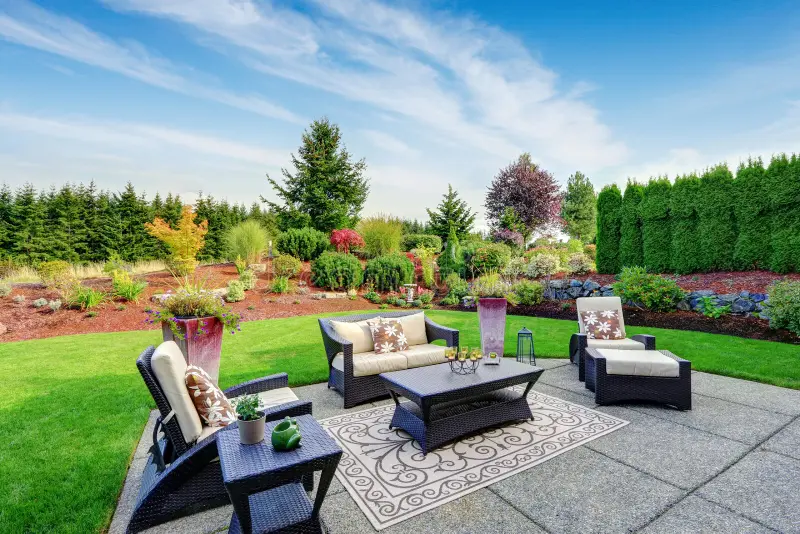
Landscaping has evolved significantly in recent years. Today, homeowners and designers are moving beyond traditional gardens, incorporating sustainability, technology, and creativity into outdoor spaces. Modern landscaping emphasizes functionality, aesthetic appeal, and environmental responsibility. Whether you have a small backyard, a rooftop terrace, or a large property, staying on top of landscaping trends can help you create a yard that is both stylish and sustainable.
1. Sustainable Landscaping Practices
Sustainability is at the forefront of modern landscaping. Homeowners are increasingly using native plants, drought-tolerant species, and organic fertilizers to reduce water consumption and chemical use. Practices such as xeriscaping, rain gardens, and composting are popular for minimizing environmental impact while maintaining beauty.
Sustainable landscaping not only conserves resources but also supports local ecosystems, attracting pollinators like bees and butterflies. By designing landscapes that work with nature rather than against it, homeowners achieve a balance between aesthetics and responsibility.
2. Smart Technology Integration
Technology is transforming how we care for landscapes. Smart irrigation systems, soil moisture sensors, and app-controlled watering schedules help reduce water waste while ensuring optimal plant health. Automated lighting, including motion sensors and energy-efficient LEDs, enhances safety and highlights garden features at night.
Additionally, landscape design software and 3D modeling allow homeowners to visualize changes before implementation, minimizing mistakes and ensuring the final result aligns with their vision.
3. Outdoor Living Spaces
Modern landscaping increasingly focuses on creating outdoor areas for living and entertaining. Patios, decks, pergolas, and outdoor kitchens are common features in contemporary yards. Fire pits, lounge areas, and shaded seating zones allow homeowners to extend indoor living spaces into the garden.
Modular furniture, retractable shading systems, and weather-resistant materials make these areas comfortable year-round. Outdoor living spaces are not just functional—they are a centerpiece of modern landscape design.
4. Vertical and Compact Landscaping
Urbanization and smaller yards have made vertical landscaping and compact gardens more popular. Living walls, trellises, and hanging planters allow greenery to thrive in limited spaces. Container gardens are versatile, enabling homeowners to grow herbs, vegetables, or ornamental plants in patios, balconies, or rooftops.
Compact plants, slow-growing trees, and dwarf shrubs are ideal for small spaces, offering greenery without overwhelming the area. These techniques maximize space while maintaining a modern aesthetic.
5. Minimalist and Natural Aesthetics
Modern landscaping trends favor minimalism and natural textures. Clean lines, neutral tones, and simple plant arrangements create a calm, sophisticated look. Stone, wood, bamboo, and gravel are commonly used to construct pathways, seating areas, and borders.
Water features such as small fountains or reflecting pools add tranquility without dominating the space. The goal is to combine elegance with low maintenance, creating a serene environment that blends with the natural surroundings.
6. Climate-Resilient Landscaping
With extreme weather becoming more common, climate-resilient landscaping is essential. Heat-resistant, drought-tolerant, and wind-tolerant plants are increasingly in demand. Rainwater harvesting systems, permeable paving, and mulching help conserve water and manage runoff, protecting landscapes from harsh conditions.
Benefits of Modern Landscaping
- Environmental Protection: Conserves water, reduces chemical use, and supports biodiversity.
- Visual Appeal: Modern designs and creative features make yards more attractive.
- Functionality: Outdoor living spaces and multi-use areas enhance lifestyle.
- Property Value: Well-designed modern landscapes increase curb appeal and market value.
- Well-Being: Access to green, thoughtfully designed spaces reduces stress and encourages outdoor activity.
Conclusion
Modern landscaping blends style, function, and sustainability. By incorporating smart technology, vertical gardens, climate-resilient plants, and minimalist design, homeowners can create outdoor spaces that are visually stunning, environmentally responsible, and practical.
From sustainable gardens and outdoor living areas to compact urban green spaces, modern landscaping transforms ordinary yards into innovative, functional, and beautiful retreats. Staying current with these trends ensures that your landscape is not only stylish but also resilient and enjoyable for years to come.








Leave a Reply